
Disinformation
AI, synthetic influence and the scaling of manipulated narratives
Artificial intelligence is changing how disinformation is produced, adapted and distributed. It lowers the cost of generating persuasive text, synthetic visuals and narrative variants at scale.
It enables faster experimentation, broader personalization and cheaper manipulation across fragmented media environments already shaped by weak trust, information overload and algorithmic amplification.

Poisoning the Well: Election Deepfakes and the Erosion of Shared Truth
August 3, 2026
warrier.ai covers disinformation as a strategic use of synthetic systems to distort perception, shape narratives, flood channels, manipulate debate and exploit the vulnerabilities of digital media ecosystems.
The point is not that AI invented disinformation. It did not. Propaganda, deception and narrative manipulation long predate generative systems. What AI changes is the speed, volume, adaptability and economic efficiency with which manipulative content can now be produced, tested and circulated.
That matters because disinformation is no longer only about single false claims. It is increasingly about synthetic information environments: large volumes of low-cost content, repeated talking points, fake media ecosystems, fabricated personas and coordinated campaigns designed to overwhelm context, erode trust and weaken the distinction between signal and noise.
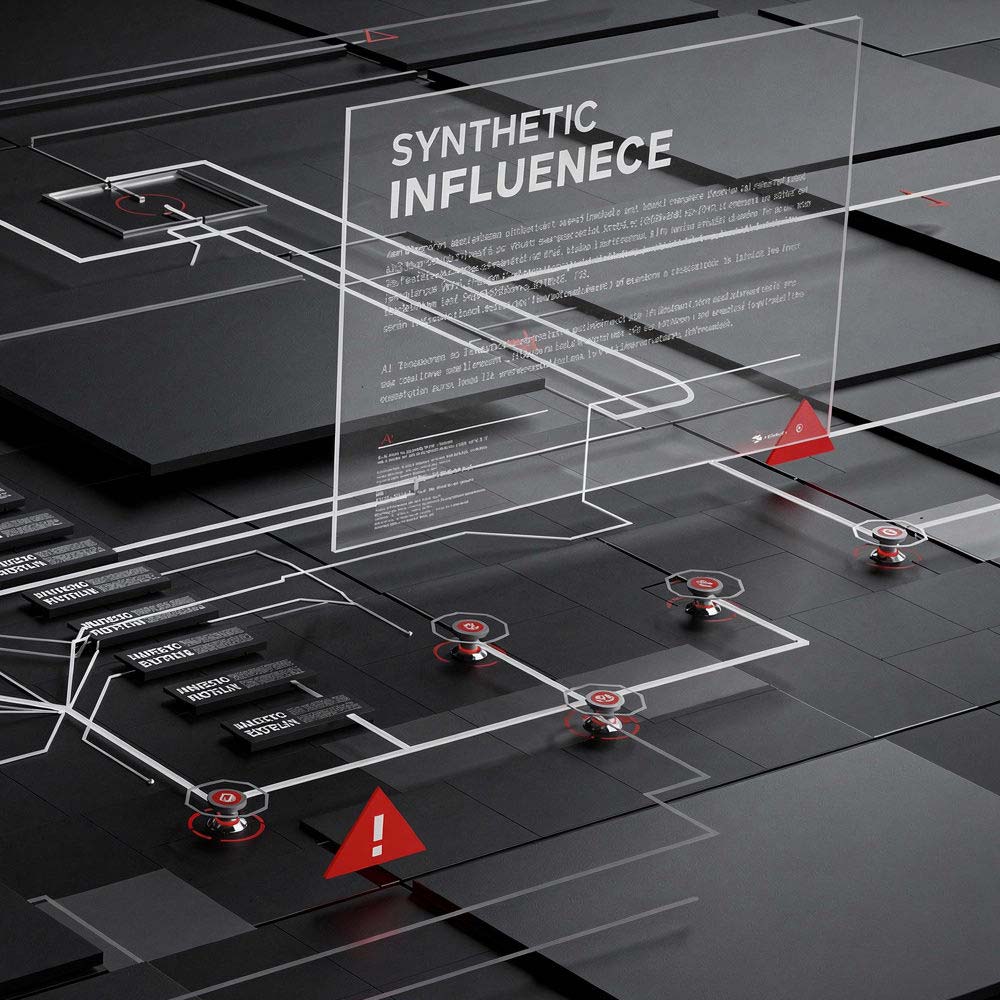
What Warrier covers in disinformation
Warrier’s disinformation coverage focuses on AI-enabled narrative manipulation across media, politics, platforms and digital influence systems.
This includes AI-generated propaganda and manipulative political messaging; synthetic media used to reinforce false narratives or discredit opponents; coordinated influence operations amplified through automated content production; fake media ecosystems and content farms built around generative systems; and platform failures that reward distortion, amplification and synthetic reach.
Warrier is also interested in the infrastructure of disinformation rather than only its visible outputs. That means looking at repetition tactics, narrative flooding, low-cost persuasion at scale, fabricated legitimacy, manipulative persona networks and the distribution systems that allow false or distorted narratives to travel faster than scrutiny.
The aim is not to chase every viral falsehood. It is to understand how artificial intelligence is reshaping the machinery of disinformation itself.
Why AI disinformation matters
AI disinformation matters because it turns manipulation into a scalable production problem.
It becomes easier to generate endless variations of the same narrative, test language against different audiences, produce persuasive filler at industrial speed and flood digital spaces with enough synthetic material to create confusion, fatigue or false legitimacy. Even where individual outputs are weak, the aggregate effect can still be powerful.
Disinformation is not only about lying. It is also about saturating the information environment with enough distortion, distraction, imitation and repetition that public understanding becomes harder to stabilize. In that sense, AI does not just produce fake content. It can help produce informational exhaustion.
The danger is not simply that falsehood spreads. It is that reality itself becomes more difficult to defend when manipulation is cheap, adaptive and persistent.
What Warrier looks for
Warrier’s disinformation coverage pays close attention to the actors, infrastructures and incentives behind manipulative campaigns rather than treating each falsehood as an isolated event.
That means examining the relationship between AI-generated content and platform amplification, the use of synthetic media or fabricated personas in coordinated influence operations, the strategic role of repetition and narrative flooding, and the ways in which generative systems reduce the cost of persuasion, agenda-shaping and informational disruption.
The question is not whether AI-generated disinformation exists. It does. The question is how it is being operationalized, normalized and scaled — and what that reveals about the changing structure of digital influence.
Explore briefings, dossiers and case files on AI-driven propaganda, fake media ecosystems, synthetic influence operations, platform manipulation and the changing economics of disinformation.